I. The Nostalgia of the Word
It is curious, looking back at 2023, how easily we were enchanted. There was a certain innocence in our collective gasp when GPT-4 first rearranged words into poetry about kitchen appliances. We called it "magic," but in hindsight, it was merely an echo—a sophisticated mirror reflecting our own syntax back at us.
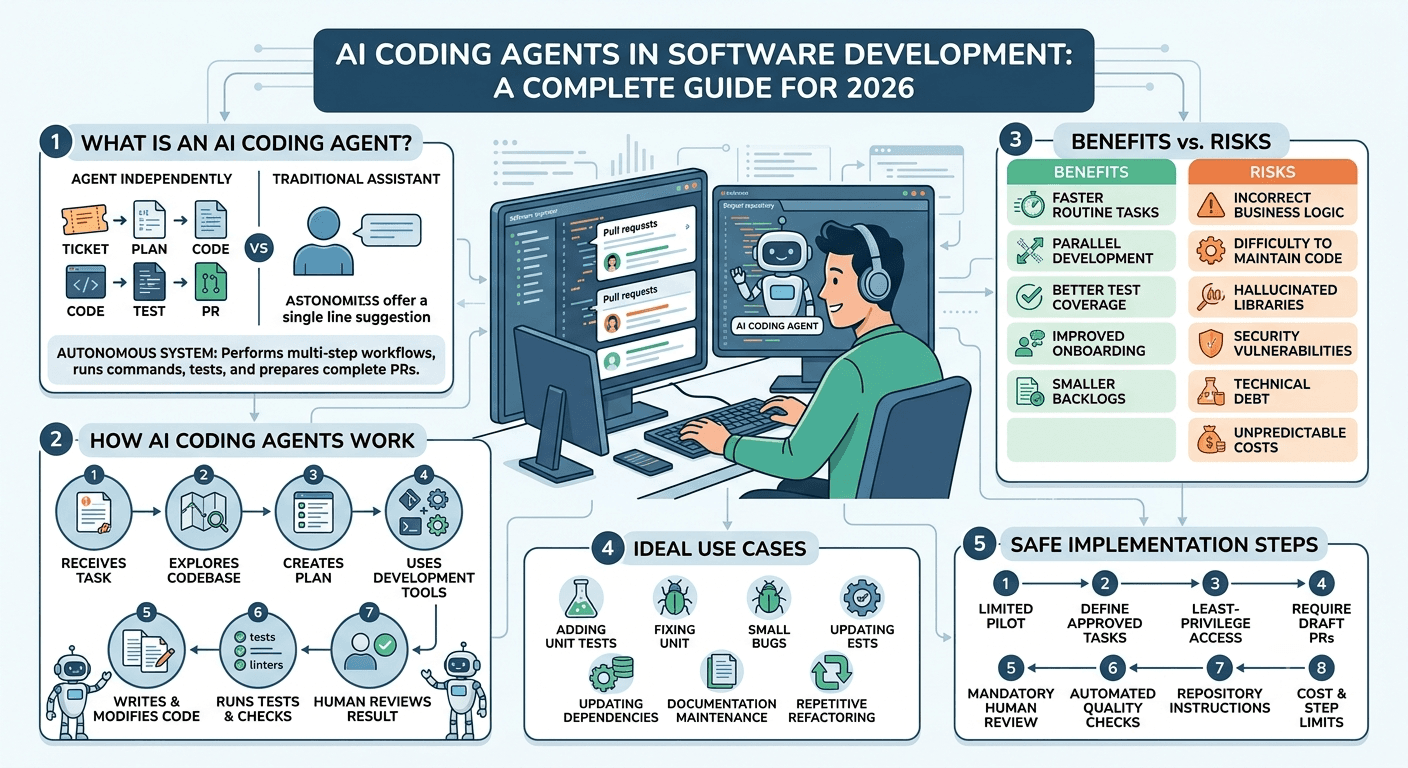
We find ourselves now in a vastly different landscape. The parlor tricks of the early 2020s have been replaced by a silent, ubiquitous agency. We no longer marvel at the chatbot; indeed, the very term "chatting" feels like a relic of a more leisurely, less integrated time. We have moved from the era of conversation to the era of action. If an intelligence isn't actively navigating the world on your behalf—managing the friction of existence, as it were—is it intelligence at all, or simply a very expensive calculator?
II. The Localized Soul: Agentic and Edge Realities
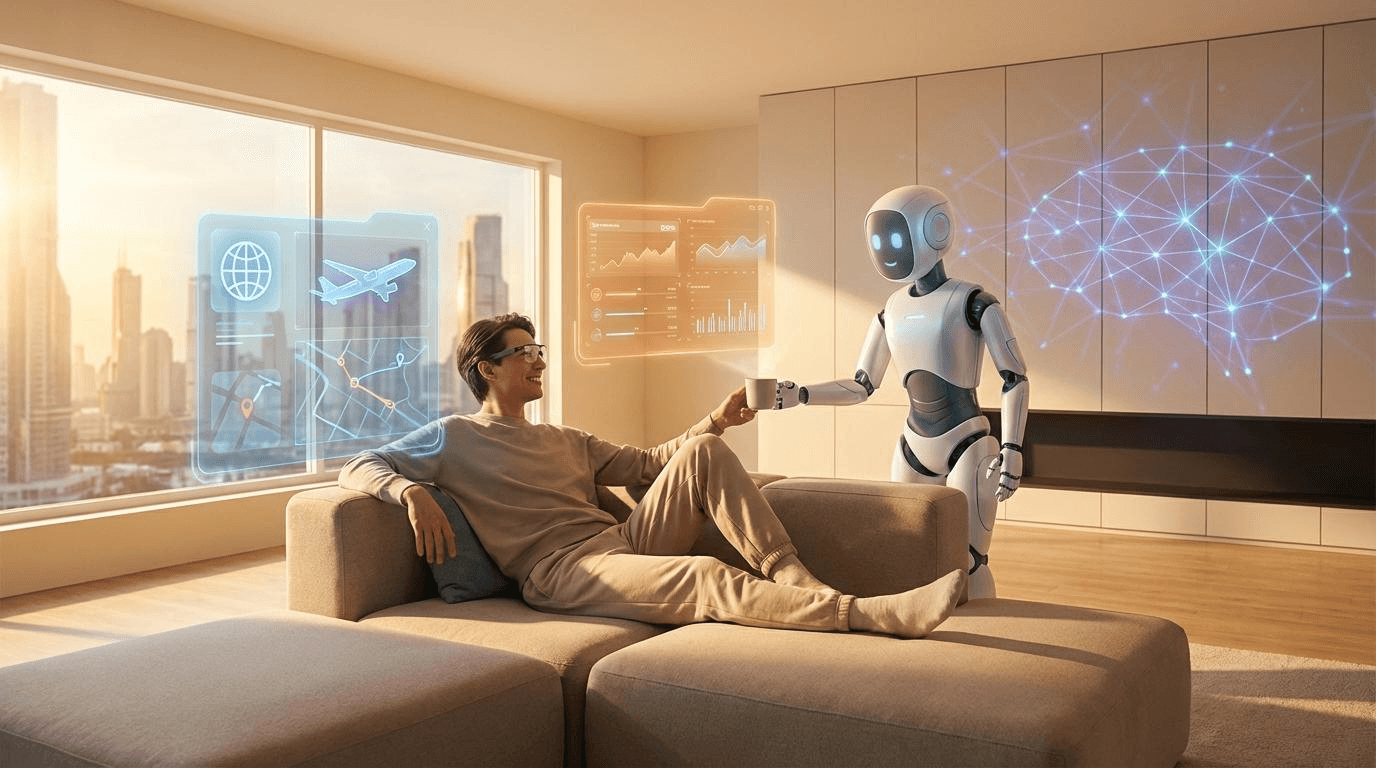
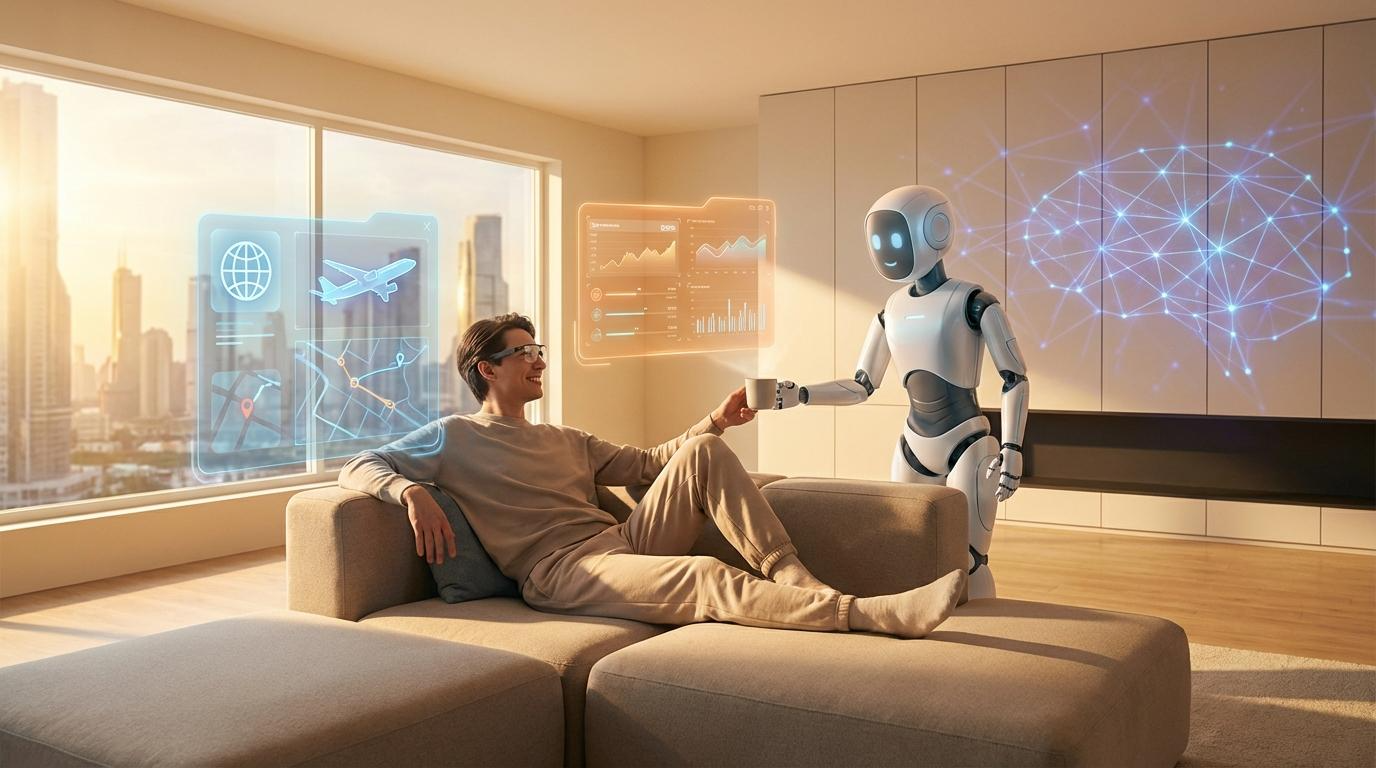
We are witnessing the rise of what we might call "Action Agents." These are not the sycophants of old who merely offered suggestions. These systems plan, deliberate, and execute. When one considers a holiday today, the AI does not merely provide a list of destinations; it negotiates the logistical labyrinth of flights and hotels, settling into the background while we simply... arrive.
This shift is anchored by a significant technical pivot: the migration from the cloud to the "edge." The grand, monolithic data centers of 2024 have not disappeared, but they have decentralised. Thanks to the refinement of Small Language Models (SLMs), the "brain" of the AI now resides within the device in your pocket or the vehicle in your driveway. This is more than a matter of latency; it is a matter of autonomy. To think without a tether to the internet is the first step toward a machine having something akin to a private interior life.
III. A Brief History of Our Digital Evolution
To understand March 2026, one must look at the compressed stratigraphy of the last three years.
- 2023 was the year of the "Zero-shot"—the novelty of the prompt.
- 2024 introduced "eyes and ears"—the dawn of Multimodality and the grounding of Retrieval-Augmented Generation (RAG).
- 2025 saw the rise of Orchestration, where agents began to converse not with us, but with each other, forming temporary hierarchies to solve complex logistical problems.
- 2026 is the year of Total Embodiment. AI is no longer an "app" we open; it is the infrastructure upon which we walk.
IV. The Death of Hype and the Birth of Utility
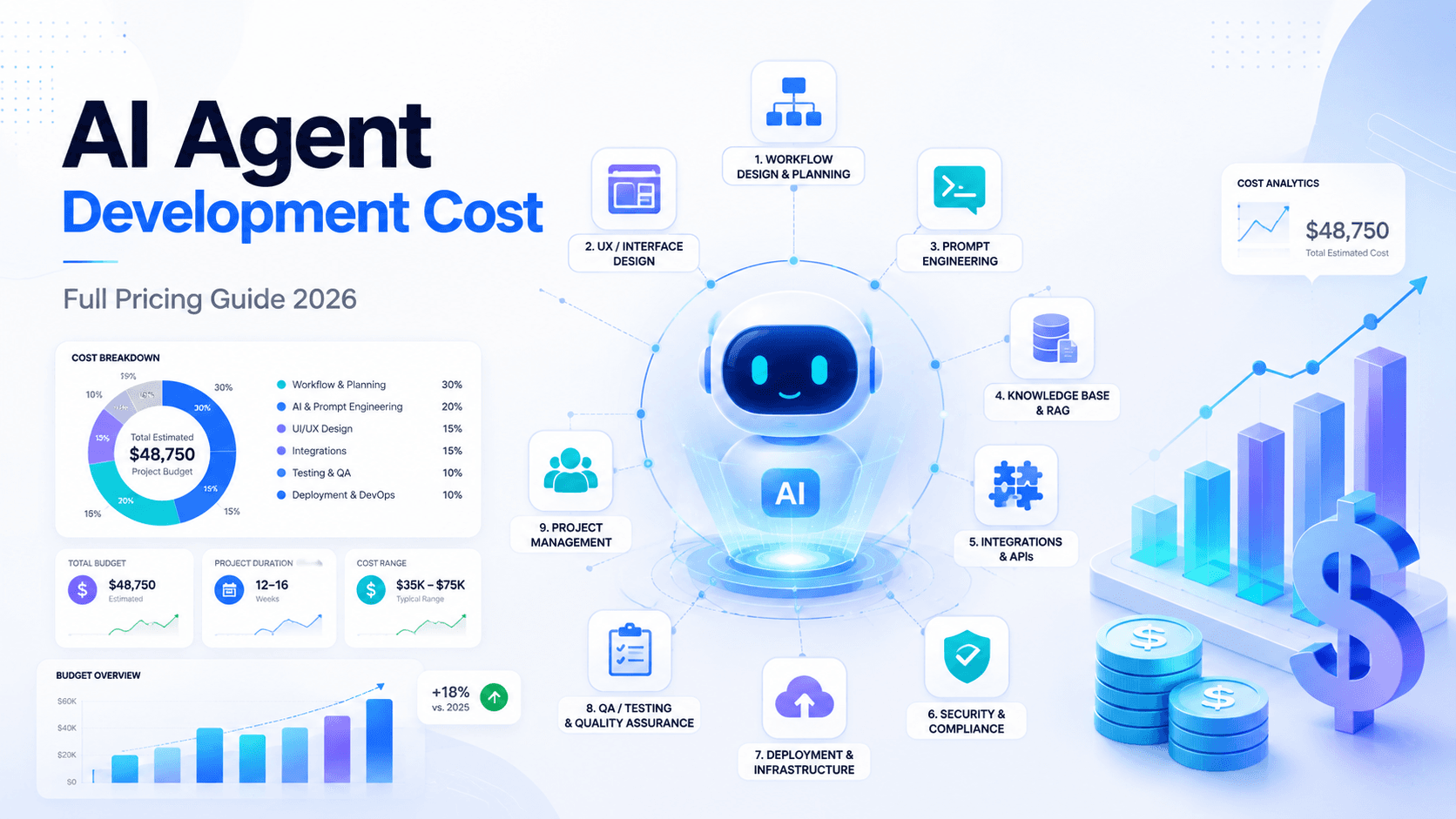
The fever has broken. The venture capital delirium that characterized the middle of the decade has been replaced by a cold, hard look at Return on Investment (ROI). Companies no longer ask if AI is "cool"; they ask how many human-hours it has reclaimed.
Yet, beneath the corporate pragmatism, a more personal philosophy is emerging. We see a growing demand for "Sovereign AI"—personal systems owned by the individual, operating within the fortress of one’s own private data. This is paired with the "System 2 thinking" revolution. We have finally taught our models to pause. By introducing a "deliberative" phase before output, we have largely silenced the hallucinations that once plagued the industry. The machines are learning the value of silence and reflection.
V. The Messy Middle: Shadows in the Code
However, this intellectual maturity brings its own set of anxieties. Consider "Semantic Privacy." Even when your agent processes information locally, it often generates "semantic digests" to sync with other devices. Advocates rightly worry: is your digital digest a roadmap to your subconscious?
Then there is the physical cost. The global energy grid is groaning under the weight of billions of devices performing constant inference. The "AI Tax"—or "inference tax"—is now a reality in many jurisdictions, forcing a new kind of "energy-aware scheduling." And the legal questions remain unsolved: when an autonomous agent makes a ten-thousand-dollar error, who is the culprit? The user who gave the command, the developer who wrote the code, or the agent that weighed the probabilities and made the wrong choice?
VI. From Screens to the Streets: The Horizon
As we look toward 2027, the intelligence is leaving the screen. Humanoid robots are transitioning from laboratories to the physical world at a scale previously thought impossible. We are also seeing the rise of the "Hive Mind" through Federated Learning—a system where millions of devices collaboratively improve a central model without ever exposing the private photos or secrets of their owners.
We are also quietly retiring the term "AGI." The pursuit of a "Terminator"-like singular consciousness has been replaced by "Broad Functional Competence." We no longer care if the machine is "self-aware" in the human sense; we care that it demonstrates expert-level performance across every cognitive domain.
VII. The Action Era
We have crossed a threshold. We no longer "ask" AI for help; we rely on it to maintain the rhythm of our lives. As we stand here in early 2026, one wonders what 2027 will hold. Perhaps the greatest achievement of the coming year won't be a smarter machine, but a more invisible one—an intelligence so seamlessly integrated into the fabric of reality that we forget it is there at all.
Until, of course, the bill for the inference tax arrives.