AI coding tools are moving beyond autocomplete. The newest generation of AI coding agents can inspect a repository, plan a multi-step task, edit several files, run tests, review the results, and prepare a pull request for a developer to approve.
This shift is changing software development at a workflow level. Developers are spending less time on repetitive implementation and more time defining requirements, reviewing decisions, and improving system design. For businesses, the opportunity is not simply to generate code faster. It is to shorten the path from an idea to reliable software.
Key takeaways
- AI coding agents complete multi-step development tasks instead of only suggesting code.
- Developers are becoming task designers, reviewers, and technical decision-makers.
- Testing, documentation, maintenance, and code review can happen earlier and more continuously.
- Human review, clear repository instructions, and restricted permissions remain essential.
- The best results come from redesigning the development workflow, not adding an agent to a weak process.
What is an AI coding agent?
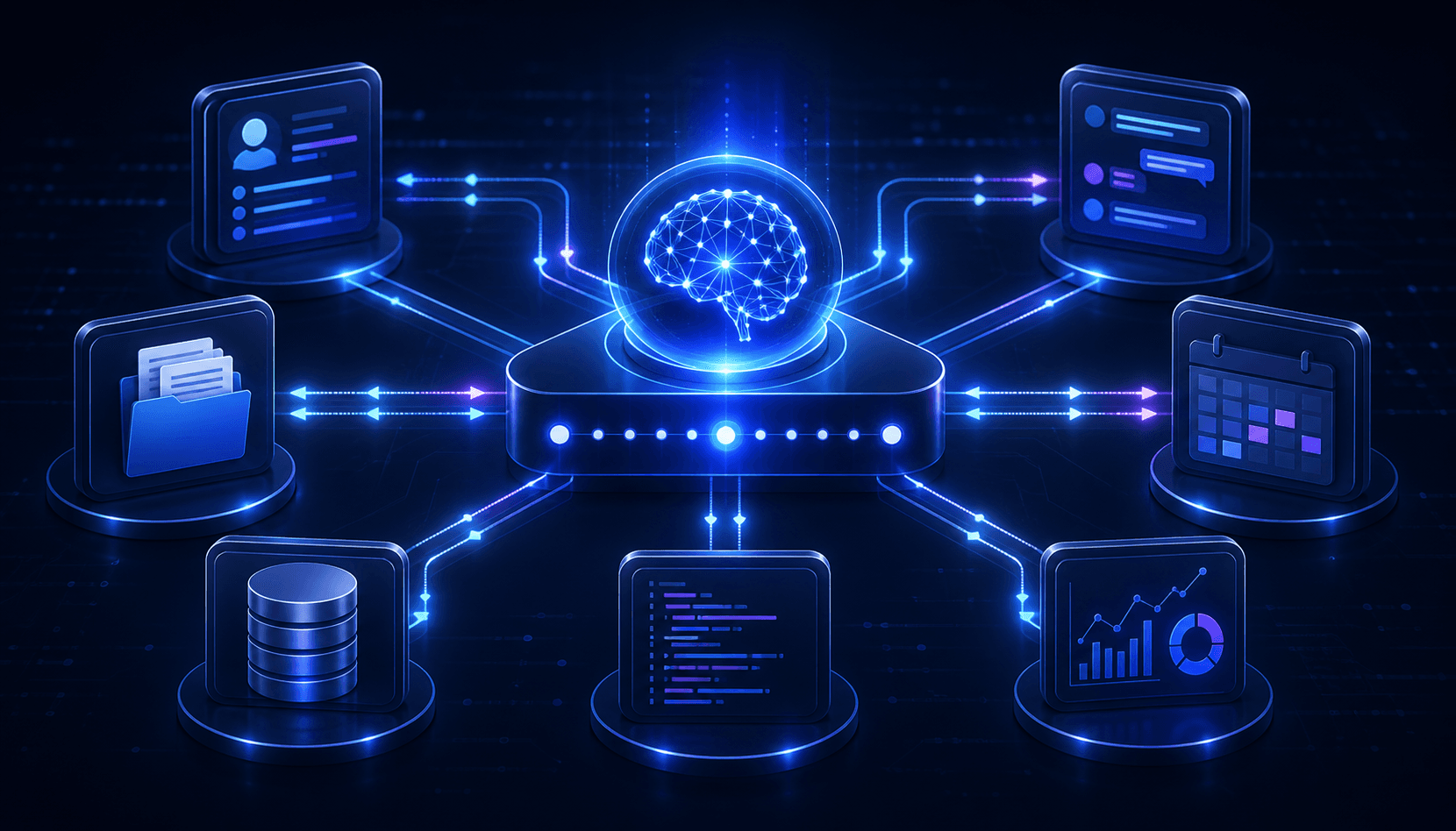
An AI coding agent is a software system that can pursue a development goal through multiple actions. A traditional coding assistant usually answers a question or predicts the next lines of code. An agent can gather context, choose tools, make changes, run commands, evaluate the output, and revise its work.
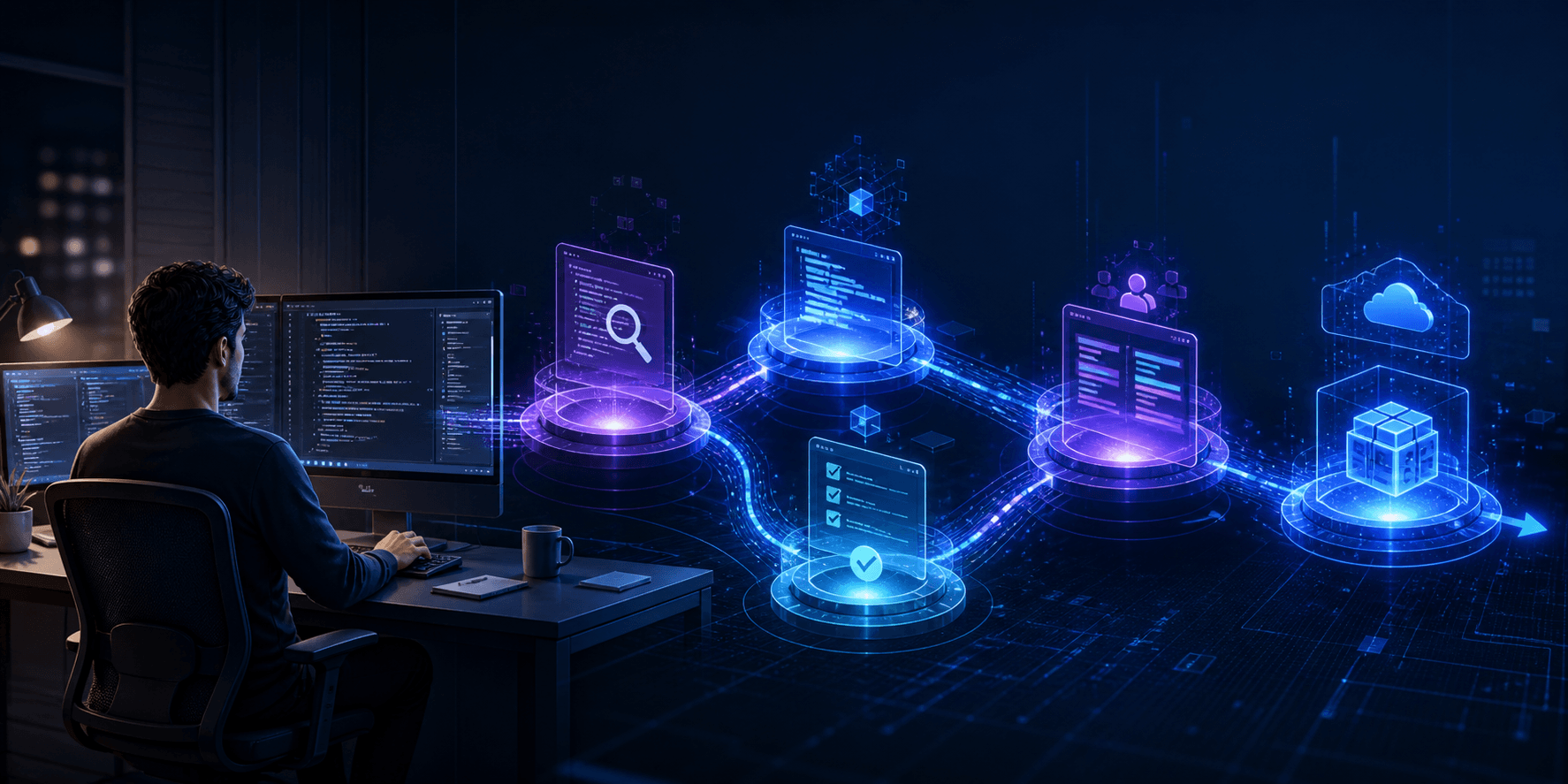
For example, a developer can ask an agent to add a password-reset feature. The agent may inspect the authentication flow, identify the relevant API and user interface files, propose a plan, implement the changes, add tests, run the test suite, and summarize the final diff.
This is already reflected in current developer platforms. OpenAI Codex is designed to navigate codebases, build features, fix bugs, run checks, and review changes. GitHub documents a similar workflow in which its coding agent can research a repository, plan and iterate on changes, and create a pull request. Google describes Jules as an asynchronous coding agent that can write tests, build features, fix bugs, and update dependencies.
How AI coding agents are changing the development lifecycle
1. Development begins with goals, not individual code changes
Developers traditionally translate a business requirement into many small manual steps. They search the repository, identify dependencies, edit files, run tests, and prepare a review. Coding agents can handle a larger portion of that sequence from a well-defined goal.
This makes task definition more important. A useful instruction explains the expected behavior, constraints, acceptance criteria, and relevant context. Clear requirements become an engineering advantage because the agent can turn them into a more complete first implementation.
2. Developers move from typing code to directing and reviewing work
AI agents do not remove the need for developers. They change where developers add the most value. More time can be spent on architecture, product trade-offs, security, edge cases, and review. Less time is required for boilerplate, repetitive refactoring, routine tests, and documentation updates.
The developer becomes responsible for deciding what should be built, giving the agent the right context, and validating whether the result is correct. Strong engineering judgment therefore becomes more valuable, not less.
3. Teams can work on more tasks in parallel
An asynchronous agent can work on a contained task while a developer continues with another priority. A team might delegate test coverage, a dependency upgrade, and a small bug fix at the same time, then review each result when it is ready.
This can reduce waiting time and help small teams handle a larger backlog. However, parallel work only helps when tasks are scoped clearly and changes do not create excessive merge conflicts. Teams still need ownership rules and review capacity.
4. Testing and review become part of every implementation loop
Because agents can run tools as they work, tests and static checks can happen after each meaningful change instead of only at the end. Agents can also generate missing test cases, investigate failures, and revise an implementation before a human opens the pull request.
AI-assisted review is also becoming more contextual. GitHub's documentation explains that its code-review agent gathers project context before producing feedback. This can help teams detect inconsistent patterns and common defects earlier, although an AI review should complement rather than replace human accountability.
5. Maintenance work becomes more economical
Software teams often postpone valuable maintenance because it competes with customer-facing work. Coding agents can reduce the effort required for dependency updates, framework migrations, repetitive refactors, documentation, and test expansion.
This is especially useful in mature products where small improvements are spread across many files. An agent can locate repeated patterns and prepare a consistent change, while a developer checks architectural and business implications.
6. Repository context becomes a reusable engineering asset
An agent performs better when the repository explains how the team works. Architecture notes, coding standards, setup commands, test instructions, examples, and definitions of done are no longer only onboarding documents. They are operational context for both humans and AI agents.
Teams that keep this information accurate can produce more consistent results and spend less time correcting avoidable assumptions.
High-value use cases for AI coding agents
AI coding agents are most effective when the desired result is clear and can be verified. Practical use cases include:
- Explaining an unfamiliar codebase and tracing how a feature works.
- Fixing a reproducible bug with clear acceptance criteria.
- Generating unit, integration, and regression tests.
- Refactoring repeated code without changing behavior.
- Updating dependencies and resolving related build errors.
- Creating API documentation and release notes from code changes.
- Investigating failed continuous-integration checks.
- Building a first implementation of a small, well-scoped feature.
Complex architecture changes, sensitive security logic, unclear product requirements, and irreversible data migrations require much closer human control.
What AI coding agents still get wrong
An agent can produce code that looks convincing but is based on an incorrect assumption. It may misunderstand business rules, use an outdated API, overlook a security boundary, or optimize for passing tests without satisfying the real requirement.
Agents also work with the context they can access. Important knowledge may live in a developer's experience, a private conversation, production data, or an undocumented customer constraint. If that context is missing, the implementation may be technically valid but commercially wrong.
Common risks include broad or unnecessary changes, weak error handling, fabricated dependencies, insecure defaults, accidental exposure of secrets, and tests that confirm the implementation instead of the intended behavior.
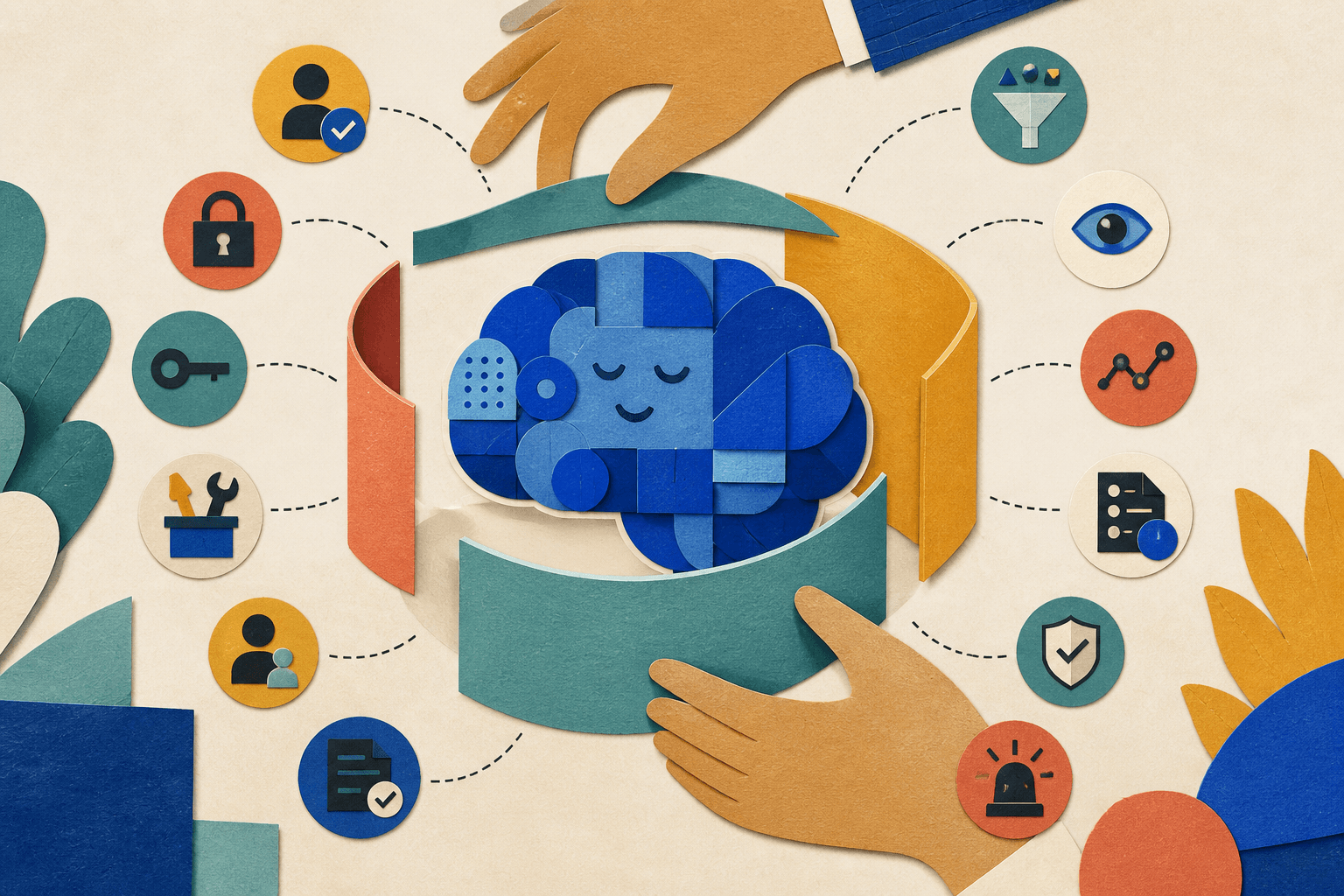
Why human review remains essential
AI-generated code should pass the same quality gates as human-written code. GitHub's published safeguards for its cloud coding agent require a human to review changes before they can be merged, and the agent cannot approve or merge its own pull request. This is a useful model for business adoption.
A safe workflow should include:
- Limited access to repositories, tools, secrets, and production systems.
- Isolated branches or development environments for agent changes.
- Automated tests, linting, type checks, and security scans.
- Human review by someone who understands the affected system.
- Small, traceable pull requests with a clear summary of actions.
- Extra approval for authentication, payments, permissions, and data changes.
A practical adoption plan for software teams
Step 1: Choose one measurable workflow
Start with a frequent, low-risk task such as adding tests, fixing small bugs, updating documentation, or resolving simple CI failures. Record the current lead time and review effort before introducing an agent.
Step 2: Improve repository instructions
Document setup commands, coding conventions, architecture boundaries, test procedures, and completion criteria. Give the agent the same context that a new developer would need.
Step 3: Keep permissions narrow
Allow the agent to work in a branch or sandbox. Do not provide production access by default. Protect secrets and require explicit approval for sensitive actions.
Step 4: Review outcomes, not code volume
Measure whether the workflow improves lead time, review rework, escaped defects, test coverage, and developer satisfaction. More generated code is not automatically more business value.
Step 5: Expand only after the workflow is reliable
Once the team understands where the agent succeeds and fails, expand to larger features, maintenance programs, or multiple parallel tasks. Keep humans accountable for final decisions.
What this means for software businesses
The long-term advantage of AI coding agents will not come from replacing developers. It will come from combining automation with experienced product and engineering judgment.
Companies can test ideas faster, reduce maintenance backlogs, improve documentation, and give senior engineers more time for difficult decisions. But organizations with unclear requirements, weak testing, and undocumented systems may simply produce mistakes faster.
Microsoft's 2026 Work Trend Index makes the broader point that value depends on organizational readiness and human agency, not the technology alone. For software teams, process design is becoming as important as model selection.
Frequently asked questions
Will AI coding agents replace software developers?
No. They automate parts of implementation, testing, research, and maintenance, but humans still own requirements, architecture, security, product decisions, and final approval. The role is shifting toward directing and validating work.
What is the difference between a coding assistant and a coding agent?
A coding assistant usually responds to a prompt or suggests code in the editor. A coding agent can pursue a goal through multiple steps, use development tools, change several files, run tests, and iterate on the result.
Which tasks should a team automate first?
Begin with repetitive, low-risk, verifiable tasks: test generation, documentation, small bug fixes, dependency updates, and CI troubleshooting.
Are AI coding agents secure?
They can be used safely when access is restricted, secrets are protected, changes occur in isolated branches, automated security checks run, and a qualified developer reviews every result. Giving an agent unrestricted production access creates unnecessary risk.
Can small development teams benefit?
Yes. Small teams can use agents to reduce repetitive work and address maintenance tasks that would otherwise remain in the backlog. Clear scope and review discipline are still required.
Conclusion
AI coding agents are changing software development from a sequence of manual coding steps into a collaborative workflow between developers and autonomous tools. The strongest teams will use agents to accelerate implementation while keeping humans responsible for context, quality, security, and business outcomes.
Nextchain helps businesses design and build custom software, web and mobile applications, and AI-enabled solutions. If you are evaluating how AI agents could improve your development workflow, contact Nextchain to discuss a practical adoption plan.